
Loading...
Loading...
Experience the breathtaking monsoon waterfalls of the Khareef, white sand beaches, misty mountains, and stargazing in the Rub Al Khali desert.

Wadi Darbat Waterfall
During the Khareef monsoon season
Salalah is the only place in the Arabian Peninsula that escapes the scorching summer heat, turning into a lush green sub-tropical oasis with seasonal waterfalls.
From June to September, cooler winds bring mist, drizzle, and drop temperatures to 25°C. Dusty mountains instantly transform into lush green forests and active waterfalls.
From October to April, enjoy clear blue skies, calm waters, and dolphin cruises. The ideal time for desert camping in the Empty Quarter and beach resort relaxation.
Walk among the 3,000-year-old stone ports of Sumhuram and Al Baleed. Discover the historic Frankincense Trail that connected ancient Oman to Rome, Egypt, and China.

Wadi Darbat is a lush green valley featuring seasonal waterfalls, lakes, mountains, caves, and wild camels. It is the crown jewel of Salalah tourism, especially during the Khareef season.
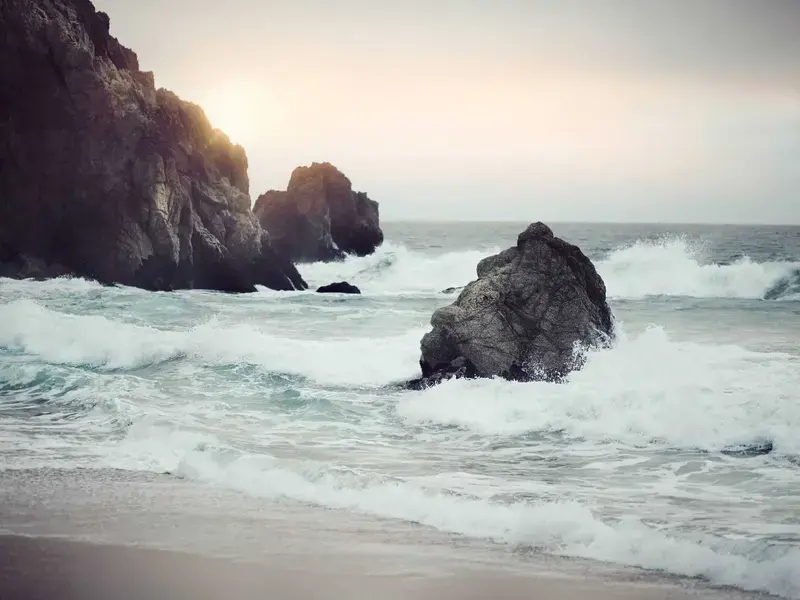
Ayn Athum is one of the most scenic and photogenic waterfalls in Salalah, cascading down a limestone cliff surrounded by dense green forest during the monsoon season.
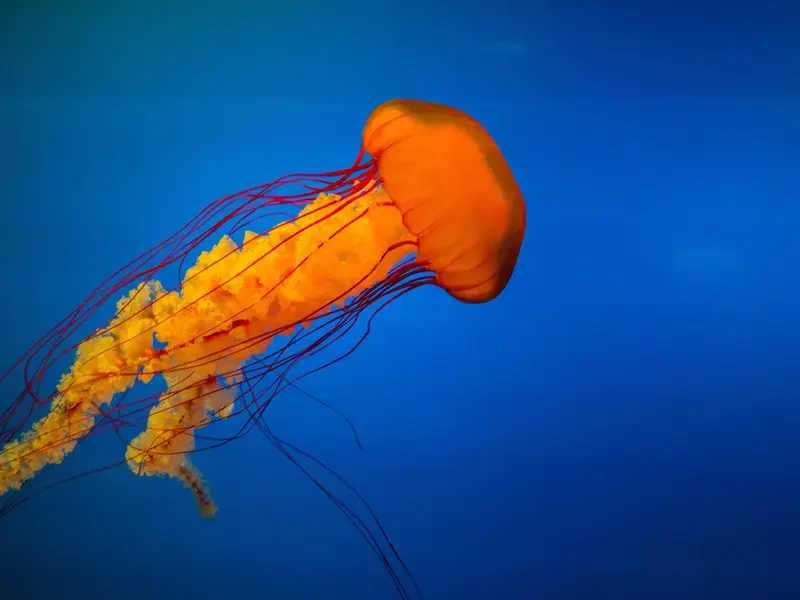
A stunning 6 km stretch of white sand flanked by towering cliffs, featuring the Marneef Cave and natural blowholes that shoot seawater high into the air.
Salalah changes dramatically month-by-month. Select a month below to view average temperature, monsoon status, and packing recommendations.
“July is the peak of the monsoon. The mountains are wrapped in mist and clouds, temperatures are incredibly cool (averaging 25°C), and a constant fine drizzle falls. Valleys and hills turn completely green, and seasonal waterfalls start flowing.”
Book professionally guided tours with licensed local Omani drivers. All packages are customizable for families, groups, or luxury travelers.
Explore the historical landmarks and vibrant markets of Salalah. Visit the grand mosque, smell frankincense at Haffa Souq, and tour UNESCO sites with a private guide.
Experience both the lush greenery of Eastern Dhofar and the dramatic coastal cliffs of the West. Includes Wadi Darbat, Marneef Cave, and Mughsail beach.
Journey across the Dhofar mountains into the world's largest sand desert. Discover the archaeology of Ubar and bash giant dunes in a 4x4.
Use our mapped checklist to guide your driving route. Key sights like Marneef Cave lie in the West, whereas Wadi Darbat and Khor Rori reside in the East.
Mughsail Beach, Marneef Cave, Al Fizayah Beach.
Taqah Castle, Sumhuram, Wadi Darbat, Ayn Athum.
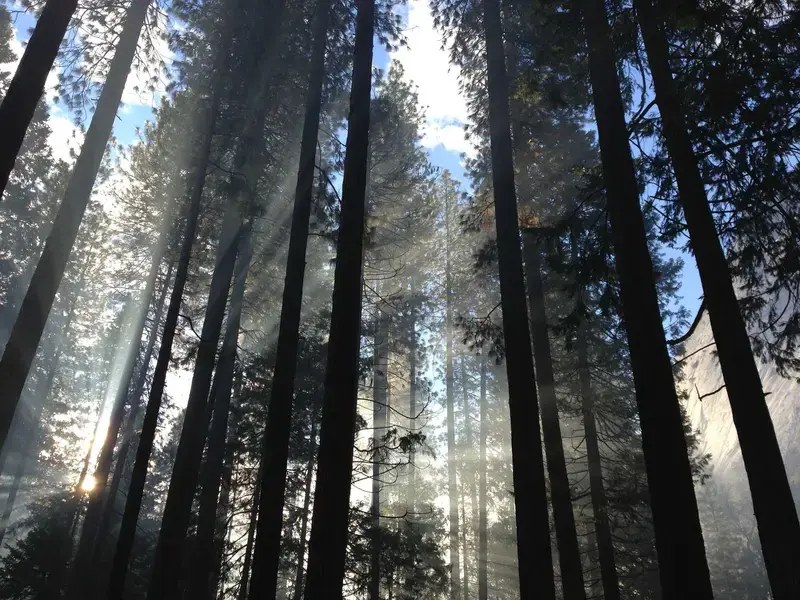
Deciding when to book your trip to Salalah? This guide breaks down the weather, greenery, and waterfall activity month-by-month so you choose the perfect season.

Planning your Salalah sightseeing? Here is a curated guide to the absolute best places to visit, categorizing nature, mountains, history, and beaches.

Want to escape the crowds? Explore the secret side of Salalah, from hidden beaches to remote mountain springs that tourist buses never reach.
Explore our comprehensive resources for visiting Salalah. From driving distances and visa protocols to seasonal weather breakdowns and private tours, this directory organizes all critical search-first insights for your upcoming holiday.
Learn about Omani tourist visa exemptions, online eVisa applications, entry regulations for GCC residents, and cruise ship passenger border procedures. Ensure your passport is valid for at least 6 months before arrival.
Read Visa GuideA complete breakdown of transport in Salalah. Compare airport taxis, public bus lines, ride-hailing apps (Otaxi), and the costs/requirements of renting a vehicle for independent exploration of the Dhofar mountains.
Read Transport GuideDriving in Dhofar is an adventure, but requires caution. Learn how to handle dense mountain fog during the Khareef monsoon, off-road driving guidelines for 4WD vehicles, and how to avoid collision hazards with free-roaming camels.
Read Driving Safety GuideWhat to pack depends entirely on your season of travel. Prepare for the wet, humid Khareef monsoon with rain gear and hiking shoes, or gather lightweight clothing, sun block, and camping gear for the sunny winter season.
Read Packing GuidePlan your Omani Rial budget. Get real-world cost benchmarks for mid-range and luxury hotel accommodation, restaurant dining, attraction entrance ticket fees, fuel prices, and tips on when cash is required versus card payments.
Read Budget GuideBrowse our distance matrix comparing driving times and kilometers between Salalah city and major sights, including Taqah castle, Mirbat, Mughsail beach, Wadi Darbat, Ayn Athum, and the distant Empty Quarter desert.
Read Distance GuideNo, a standard sedan is perfectly fine for 90% of the attractions in Salalah. All major sights, including Wadi Darbat, Marneef Cave, Taqah Castle, and Jabal Samhan, are accessible via well-paved, modern asphalt roads. A 4WD is only necessary for off-road desert driving (Empty Quarter), the steep gravel track down to Al Fizayah Beach, and remote mountain hiking tracks.
The currency is the Omani Rial (OMR). 1 OMR is split into 1,000 baisa. It is pegged to the US Dollar at approximately 1 OMR = $2.60 USD. Credit and debit cards (Visa/Mastercard) are widely accepted in hotels, large supermarkets, gas stations, and modern restaurants. However, you should carry cash for traditional souqs (like Al Haffa), local fruit stands, and tips.
Yes, Salalah and Oman in general are among the safest destinations in the world. Oman consistently ranks very low on global crime indices. The local Omani people are exceptionally welcoming, polite, and helpful. Solo travelers, including women, can travel around Dhofar with peace of mind at any time of the day or night.
Yes, but it is regulated. Alcohol is served in licensed 4-star and 5-star hotel bars, resorts, and high-end clubs. It is not sold in local supermarkets or standard restaurants, and drinking in public places (like beaches or parks) is strictly illegal and subject to heavy fines.
Drone flights are strictly regulated in Oman. Importing a drone without a permit from the Civil Aviation Authority (CAA) is illegal, and customs at airports will confiscate it. Tourists are generally not granted drone permits. It is best to leave your drone at home.